Moot court problems often follow events and cases from the real world. Less often does the real world follow a moot court problem – but that is exactly what happened for the ICC Moot Court this year. This meant we were thinking about abducted Presidents being put on trial and humanitarian missions being attacked by a blockade long before the US abducted Maduro and Israel intercepted the Global Sumud Flotilla 2026. Working on a case that continuously gained in relevance throughout the year, and thinking about these real-world events against the background of the research we were doing for our moot was incredibly interesting and rewarding. This is in addition to the other opportunities of our moot court journey: improving our advocacy skills, expanding our legal knowledge and growing together as an incredible team!
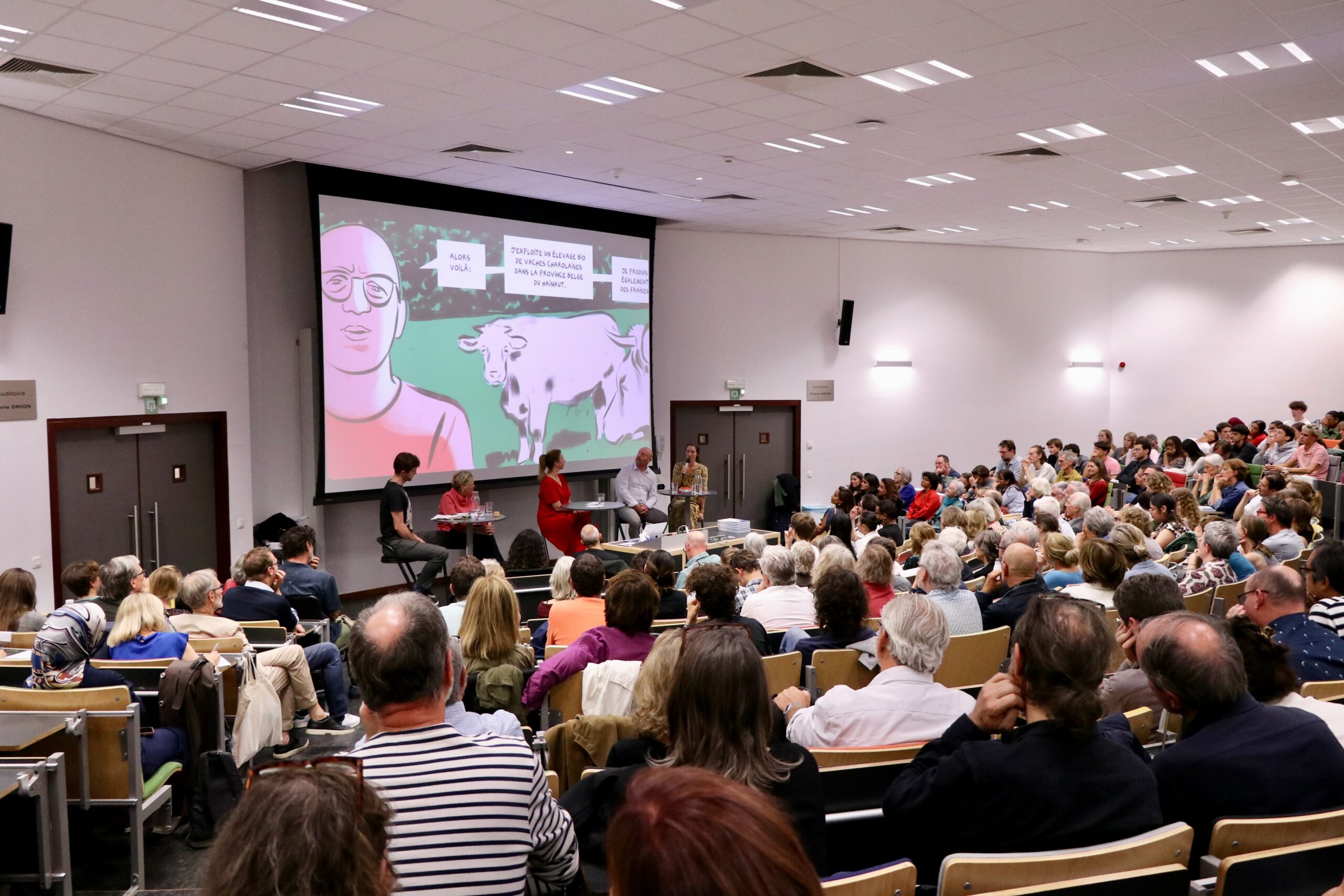
But let us start from the beginning, our time with President Syrax (the above-mentioned abducted President and main character of the moot problem) began in October when we started our pleadings course with Professor Koutroulis. Once a week, we practiced our submissions before the ICC representing in small teams the three parties to the proceedings: the Defence of President Syrax, the intervening State of Merine of which she is President, and the ICC Prosecution. Our course culminated in the submission of our written memorials and our first ‘final hearing’ just before Christmas in which we were grilled about the various aspects of the case by our ULB professors.
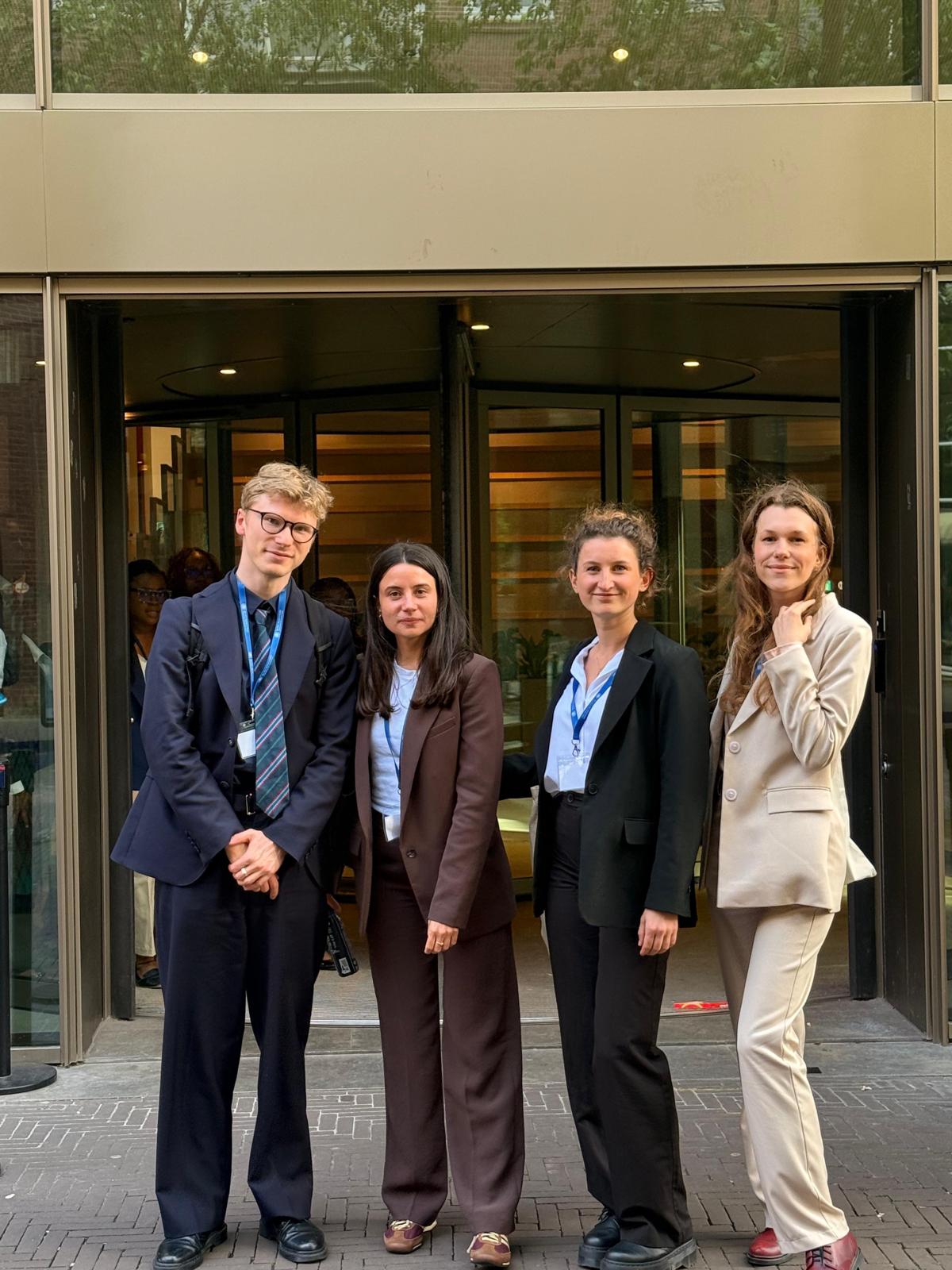 From January onwards, we then continued our journey as a team of four – Basile Vekemans, Svetlana Khokhlova and Lea Meinecke – joined by our incredible coach Claire Bertouille. On the horizon, was the week of the moot court competition in the Hague in June. Important waypoints until then were the submission of our written memorials to the competition and friendly rounds to test our arguments against teams from German, Dutch, Brazilian and Chilean Universities.
These friendly rounds were particularly enjoyable because they let the case come to life by showing us that there were other people out there, who spent a lot of time thinking about President Syrax. Our trips to Bonn and Maastricht and our late-evening online hearing with Chile and Brazil were also important bonding moments for our team and allowed us to make friends with other students with whom we would reunite in the Hague.
As always, June came around way faster than expected and before we knew it, we were sitting in a train to The Hague, suitcases full of our hearing attires and heavy binders with our speeches, quotes, Rome Statutes and cases. Once we arrived, we immediately went to the opening ceremony, where, along with 94 teams of 48 different nationalities and judges from around the world, we were greeted by the competition organizers and special guests. After some dramatic game-of-thrones-music accompanied welcomes and many happy reunions with our friends from the friendly rounds, we quickly went home to prepare for a heavy week of pleadings starting early the next day.
Each of us would plead our role twice, Basile represented the Prosecution, Svetlana the State of Merine and Lea the Defence which appealed against the Confirmation of Charges before the ICC’s Appeals Chamber. President Syrax was charged with ordering an attack against a humanitarian mission. She had set up a naval blockade around the Island State of Essuss that intercepted a ship carrying urgently needed medicine to treat a Yaws pandemic which threatened to cause severe disfigurement of skin and bones of 100.000 children on the Island. Three legal issues arose from this: first, was the interception by the blockade or the tracers which were fired across the ship which carried the medicine an intentional attack against a humanitarian mission? Secondly, did the status of Head of State of Merine give President Syrax personal immunity before the ICC? Finally, did her abduction by a third state which diverted her plane, anesthetised her and brought her to the Hague bar the ICC from exercising jurisdiction?
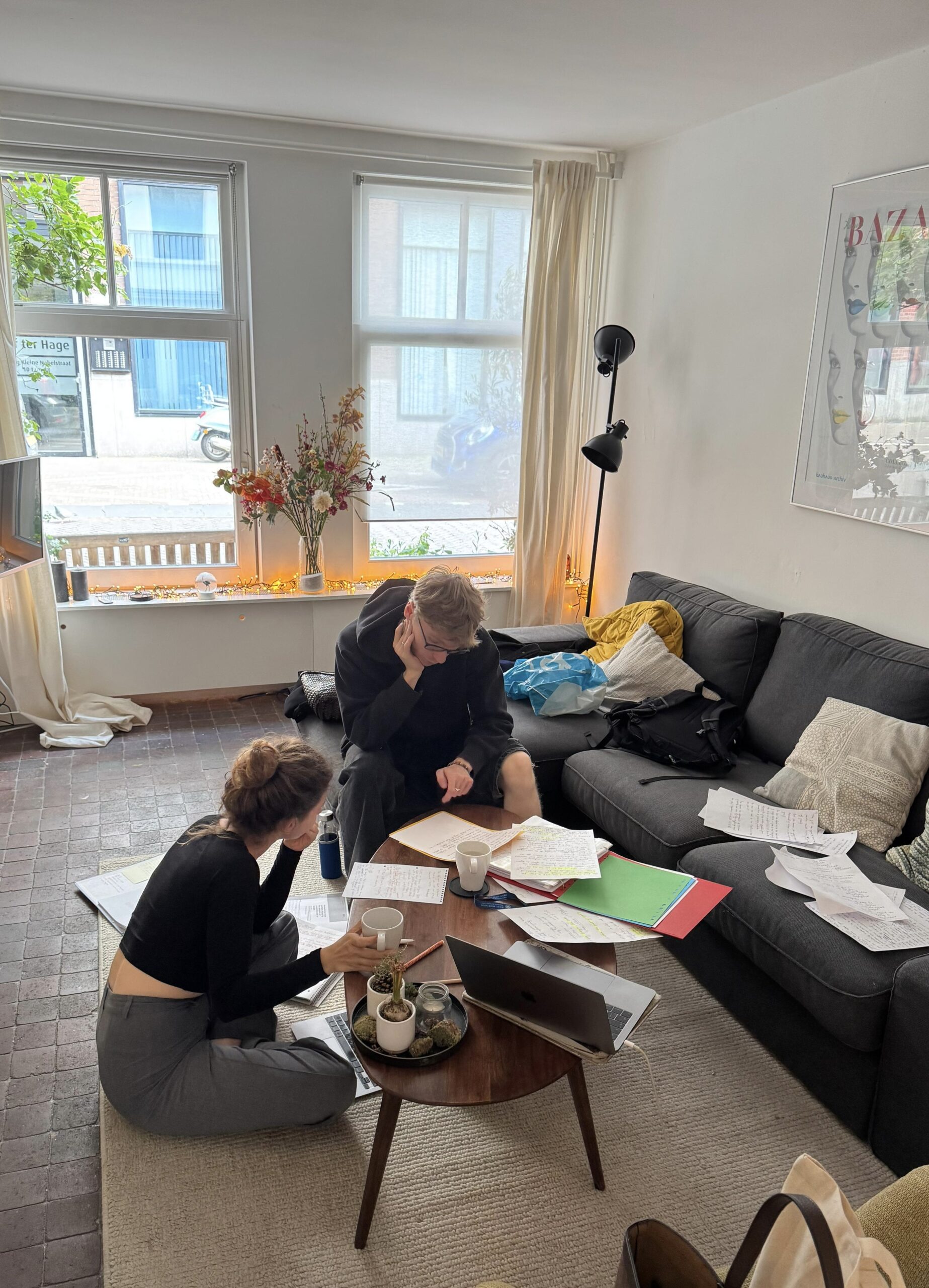 These were the questions that had accompanied us throughout the year - not just in our moot court sessions, but also in our daily life, where we found ourselves always thinking and discussing about President Syrax. Despite all the work we had done, we of course had a number of issues to research at the last minute. Quickly our kitchen table and living room transformed into our ICC office in which we read other teams' memorials (often with some rather derogatory commentary ;)), adapted our speeches and practiced our pleadings. Our team started functioning as one unit and bouncing off each other’s ideas we kept understanding the different issues more deeply and developing our arguments further. These team moments (often lovingly described as our ‘International Criminal Law boot camp’) really formed the highlight of our week and the source of many laughters and core-memories. They constituted the heart of our journey and the moments where, without a doubt, our team spirit and work reached their peak.
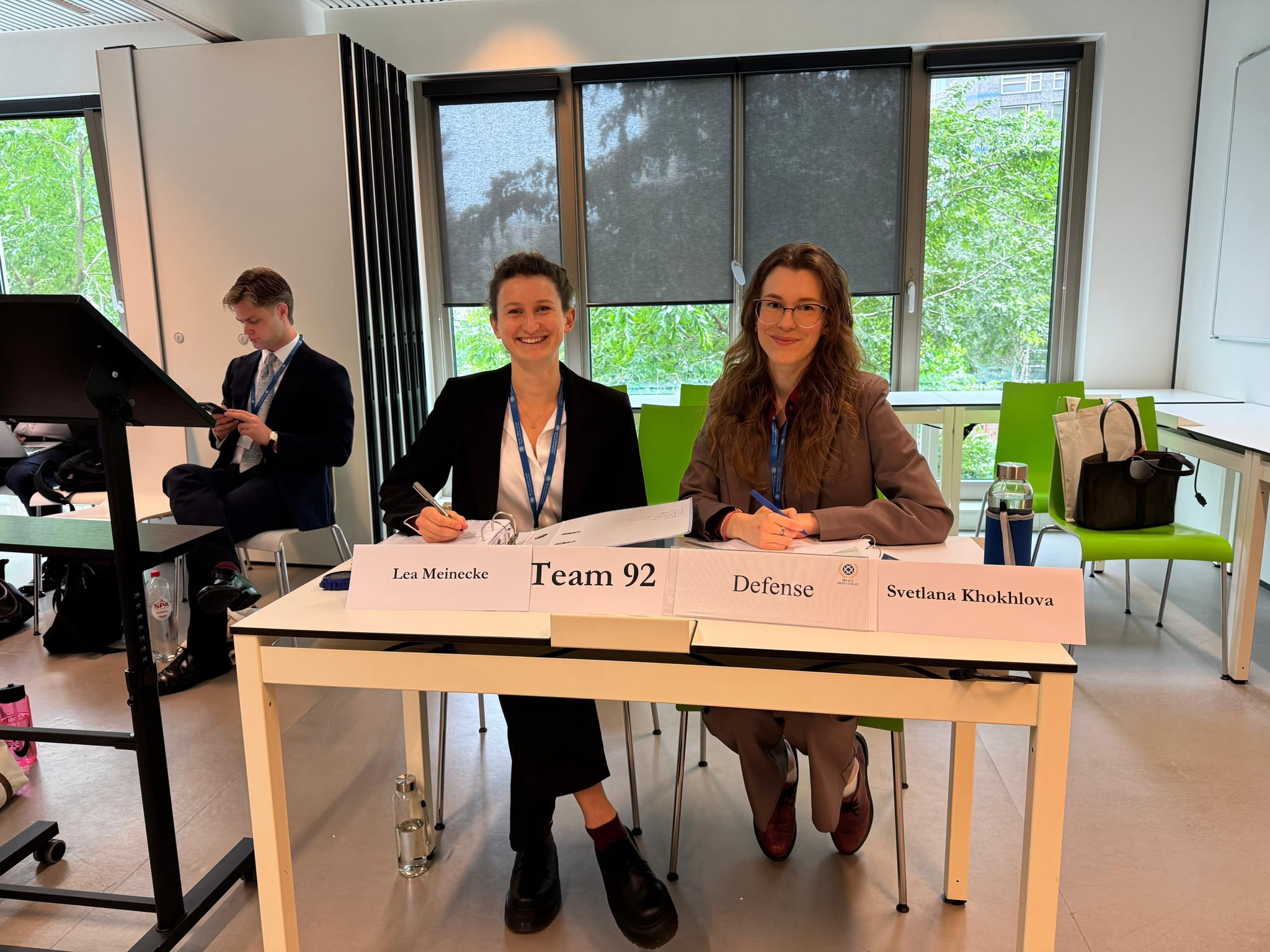 Svetlana set our team off with an incredibly strong pleading before the head-organiser and principal co-author of the problem, arguably the toughest bench of the competition. What followed was a number of hearings in which we defended our positions against representatives of teams from Brazil, Iraq, Japan, Lebanon, Hong Kong, Italy, Ireland, India and the Netherlands. We always pleaded as a team, with a co-counsel sitting with the pleader to research questions, adapt the speech to respond to what the other parties had said and prepare rebuttals. Linking our brains like this and communicating often with less than a word in a language that only our team would understand was another highlight and testament to our fantastic team spirit which shaped not just our pleadings but our entire week in the Hague.
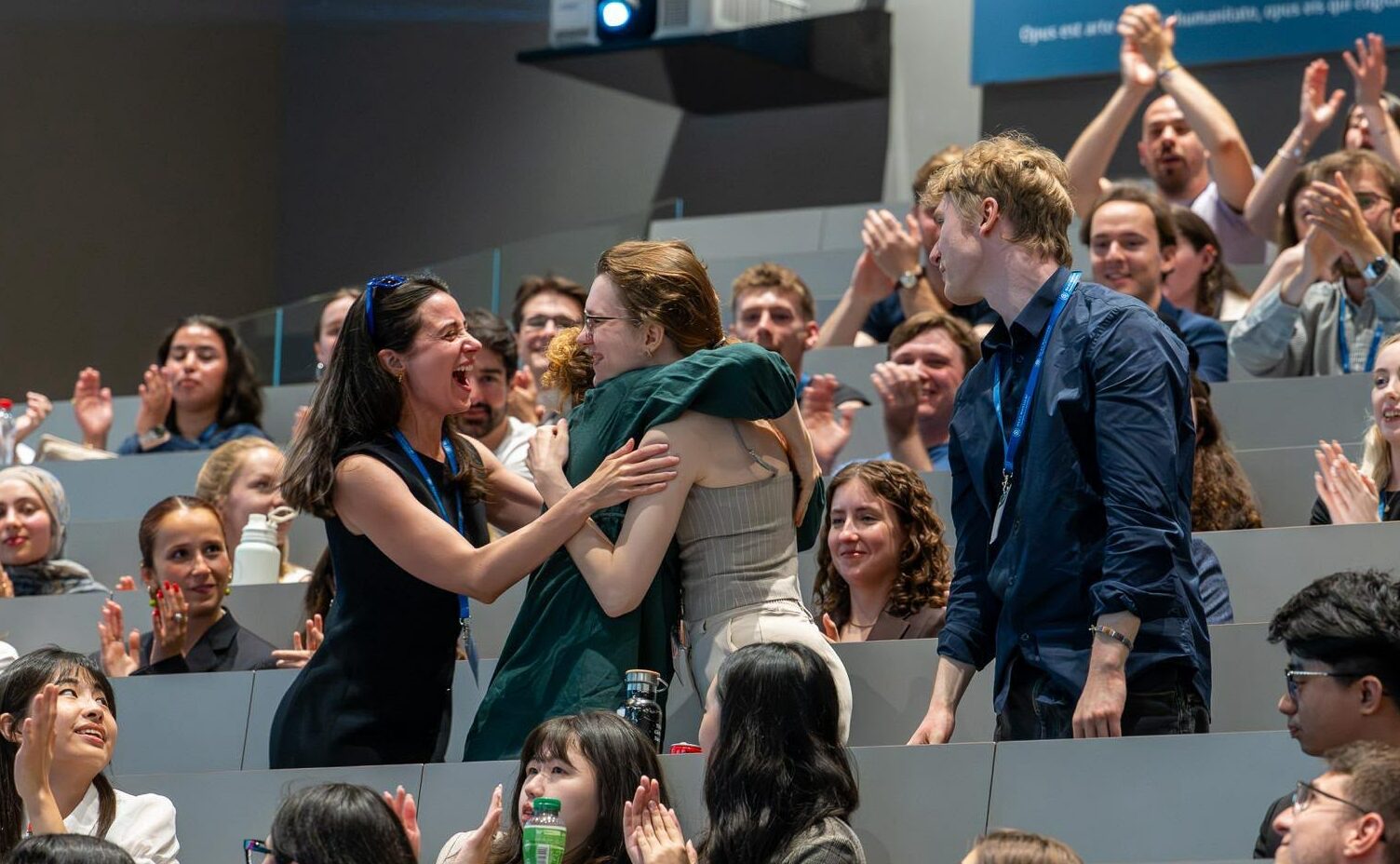
For us, the competition ended at the doors to the quarter finals but with a lot of pride of what we had achieved and confidence in our arguments. We left the competition everything but empty-handed with Svetlana’s government memorial receiving the second runner-up award out of the 94 memorials, making us all super proud and giving our team our moment of glory at the awards ceremony.
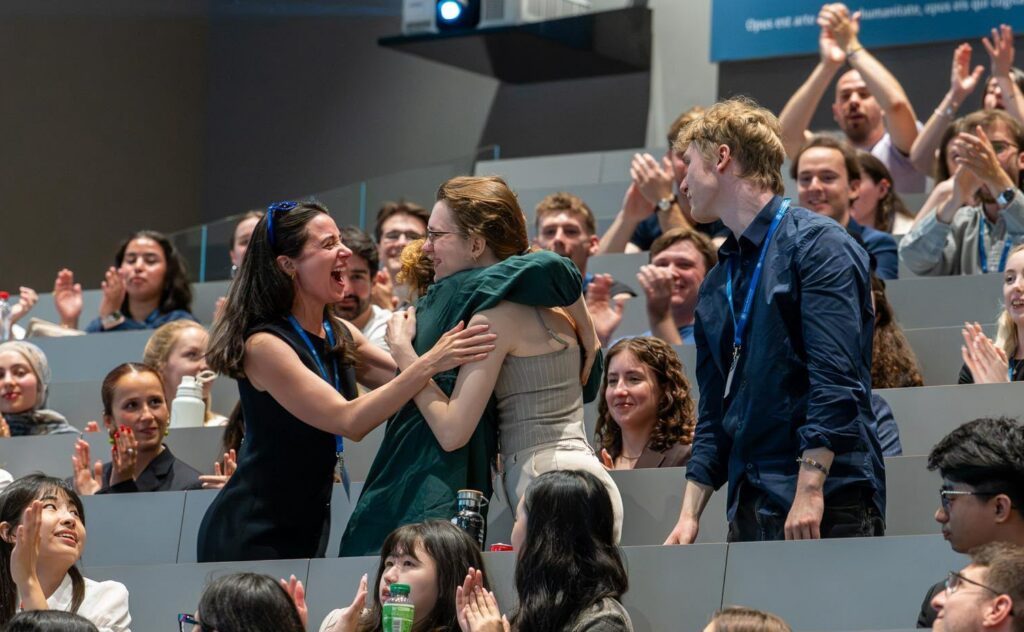
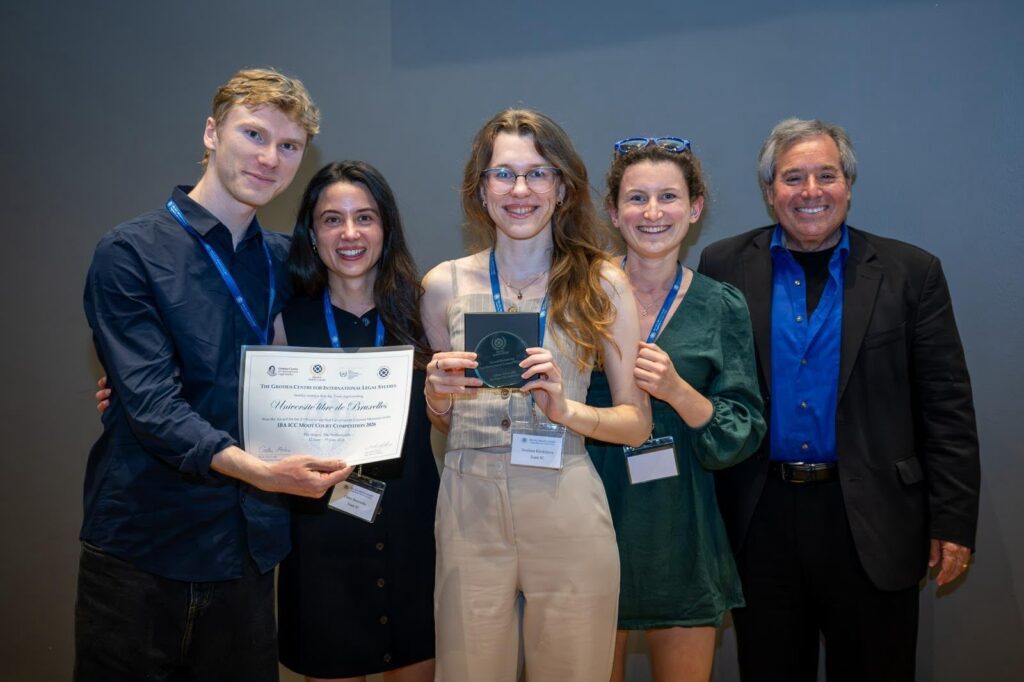
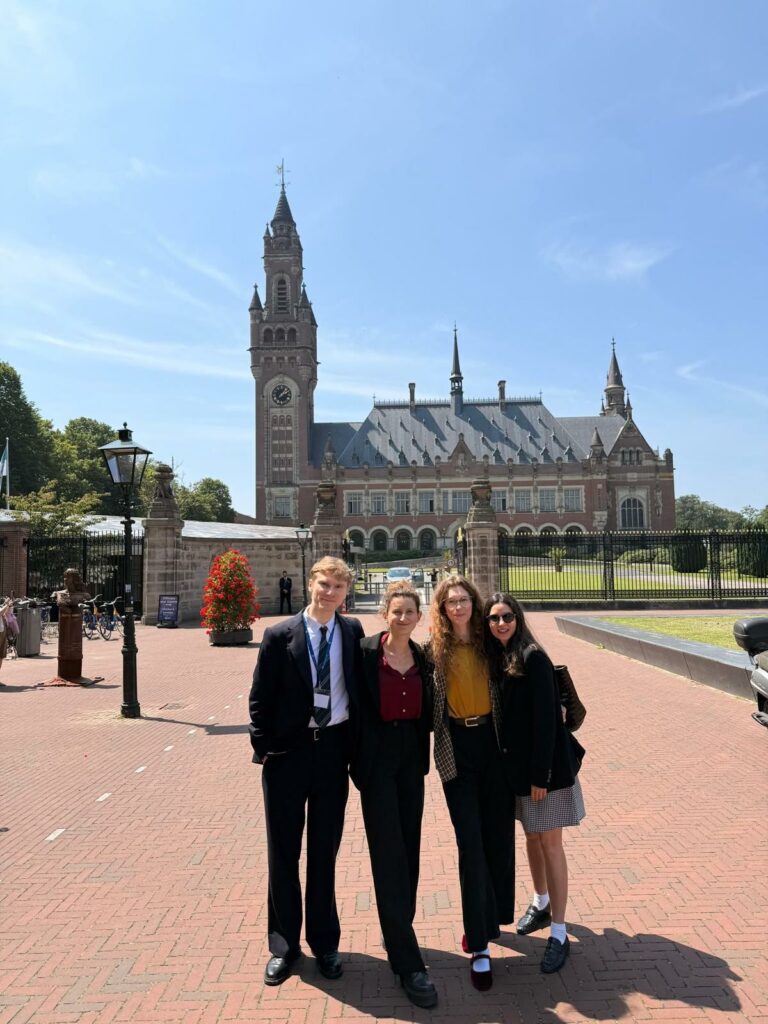
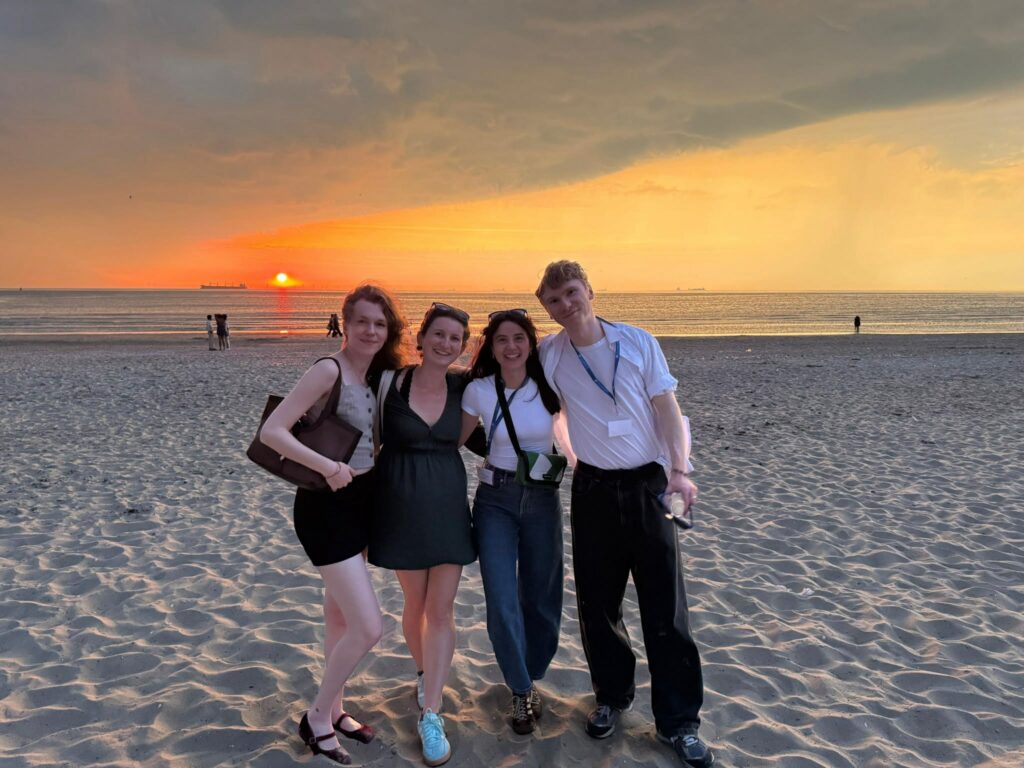
After two days to explore the Hague, a visit to the Peace Palace and many out-of-courtroom debates about the case with other teams, our moot court journey drew to an end with the famous ICC moot competition beach party on the last night. Celebrating the end of the competition that had brought so many participants, coaches and judges from all over the world together to exchange ideas and bring international criminal law to life was another special moment and a worthy ending to our journey.
Packed with many core memories and an incredible learning-experience as advocates, researchers and team-players, we got on the train back to Brussels where we had to say our emotional good-byes within the team. A huge thank you goes out to the ULB Centre de Droit International and especially Professors Koutroulis, Prost, and Lagerwall for all the time, effort and resources you spent thinking through our arguments, giving us feedback and making this experience possible for us! And we cannot express enough our gratitude and appreciation to our coach Claire, who accompanied and supported us throughout this year, and whose knowledge of international law, advocacy skills, dedication, and empathy have inspired us and allowed us to grow both professionally and personally. For all of us, the experience of participating in the ICC moot court shaped our master’s at ULB and will continue to influence our future paths in international law.
Svetlana Khokhlova, Lea Meinecke and Basile Vekemans
Avec le soutien de Wallonie-Bruxelles International