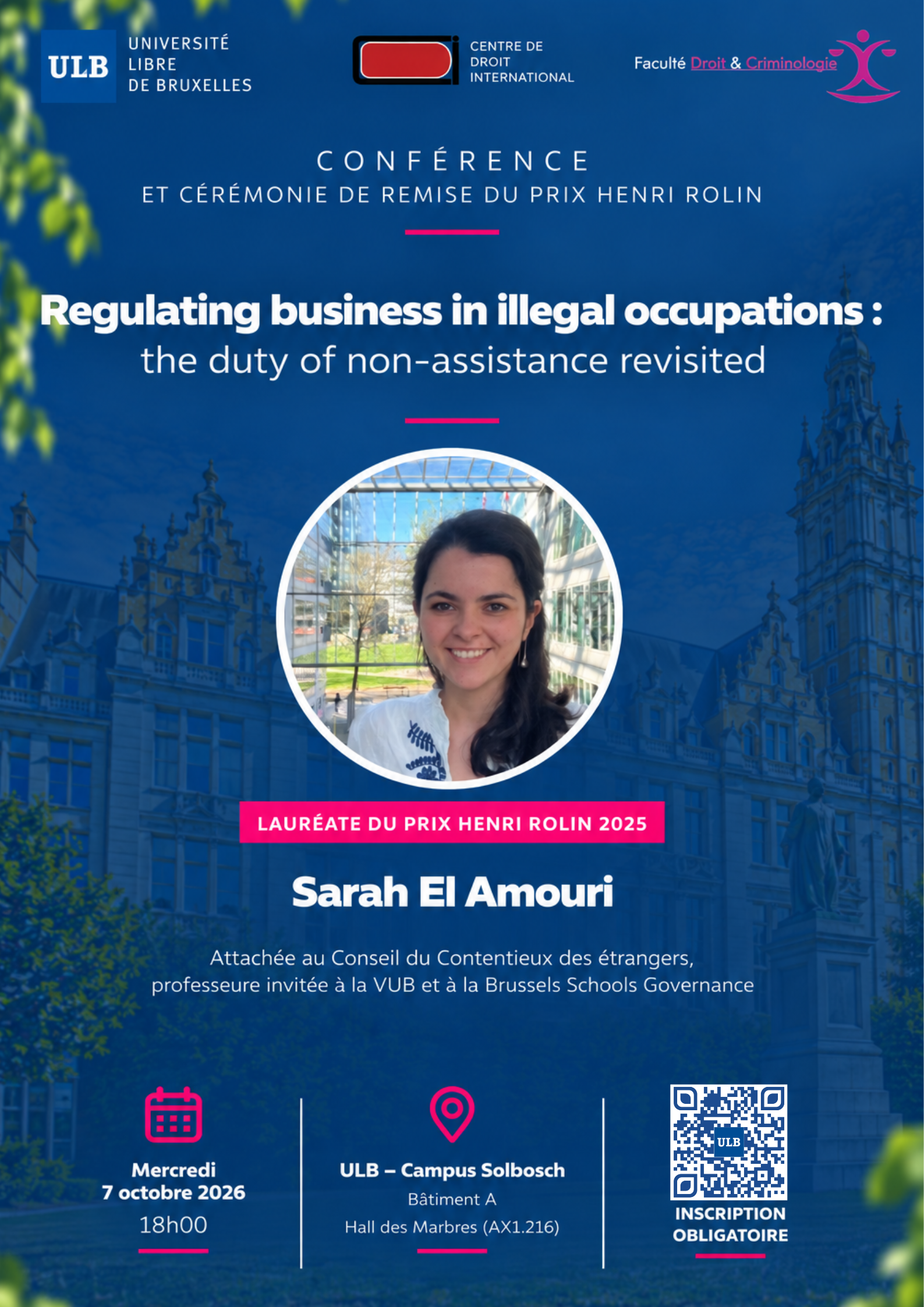
Conférence inaugurale du master de spécialisation en droit international (2026-2027)

Navigation

(function () { function normalize(input) { try { const u = (input instanceof URL) ? input : new URL(input, window.location.href); let p = u.pathname.toLowerCase().replace(/\/+$/, ''); return p === '' ? '/' : p; } catch { return ''; } } function matches(linkPath, currentPath) { if (!linkPath || linkPath === '/') return currentPath === '/'; if (currentPath === linkPath) return true; const lp = linkPath.endsWith('/') ? linkPath.slice(0, -1) : linkPath; return currentPath.startsWith(lp + '/'); } function resetToggle(t) { t.classList.remove('et_pb_toggle_open'); t.classList.add('et_pb_toggle_close'); const c = t.querySelector('.et_pb_toggle_content'); if (c) c.style.display = 'none'; const title = t.querySelector('.et_pb_toggle_title'); if (title) title.setAttribute('aria-expanded', 'false'); } function openToggle(t) { t.classList.remove('et_pb_toggle_close'); t.classList.add('et_pb_toggle_open'); const c = t.querySelector('.et_pb_toggle_content'); if (c) c.style.display = 'block'; const title = t.querySelector('.et_pb_toggle_title'); if (title) title.setAttribute('aria-expanded', 'true'); } function highlightCurrent(resetAll = false) { const container = document.querySelector('.sb-toggles'); if (!container) return; const currentPath = normalize(window.location.href); const toggles = Array.from(container.querySelectorAll('.et_pb_toggle')); if (resetAll) { container.querySelectorAll('a.current-link').forEach(a => a.classList.remove('current-link')); toggles.forEach(resetToggle); } let best = { toggle: null, link: null, len: -1 }; for (const t of toggles) { for (const a of t.querySelectorAll('a[href]')) { const href = a.getAttribute('href'); if (!href || href.startsWith('#') || href.startsWith('mailto:') || href.startsWith('tel:')) continue; const lp = normalize(href); if (matches(lp, currentPath) && lp.length > best.len) { best = { toggle: t, link: a, len: lp.length }; } } } if (best.toggle && best.link) { best.link.classList.add('current-link'); openToggle(best.toggle); } } function ready() { highlightCurrent(true); // reset complet une seule fois au départ setTimeout(() => highlightCurrent(false), 300); // après init Divi } if (document.readyState === 'loading') { document.addEventListener('DOMContentLoaded', ready); } else { ready(); } window.addEventListener('load', () => highlightCurrent(false)); // MutationObserver : ne fait plus de reset, juste la logique du "meilleur match" const mo = new MutationObserver(() => highlightCurrent(false)); mo.observe(document.body, { childList: true, subtree: true }); })();

Suivez nos réseaux

Type d'évènement :

Date de l'évènement :

07.10.2026 18:00

à 20:00

Intervenant(s):

Sarah El Amouri, attachée au Conseil du Contentieux des étrangers, professeure invitée à la VUB et à la Brussels Schools Governance

Lieu:

Hall des marbres (AX1.216)

La conférence inaugurale du master de spécialisation en droit international de l’ULB se tiendra le mercredi 7 octobre 2026, à 18 H, sur le Campus du Solbosch, au bâtiment A, dans le Hall des Marbres (AX1.216) - entrée via l'avenue Franklin Roosevelt.

Nous accueillerons Madame Sarah El Amouri, attachée au Conseil du Contentieux des étrangers, professeure invitée à la VUB et à la Brussels Schools of Governance.

Elle animera la conférence suivante : « Regulating business in illegal occupations : the duty of non-assistance revisited »


This year’s inaugural conference of the LL.M programme in international law will be dedicated to the presentation of Ms. Sarah El Amouri’s monograph “Regulating business in illegal occupations: the duty of non-assistance revisited”.

Her book starts from the observation that, by operating in illegally occupied territories, private businesses may play a significant role in the consolidation of illegal occupations. However, as it stands today, international law offers few options for holding private corporate actors legally accountable for their harmful activities in illegally occupied territories. This creates a legal vacuum in the protection of the local population under illegal occupation and allows businesses to benefit from normalised breaches of peremptory international law.

Various branches of international law, including human rights law, IHL, international environmental law and the law of the sea, are exploring the option of imposing positive due diligence obligations on home states to regulate transnational conduct of their corporate nationals. This book examines whether the insights gained on due diligence to regulate transnational business conduct in the aforementioned areas of international law can be transposed mutatis mutandis to the context of the customary duty of non-assistance, due to their significant similarities with the book’s central research issue.

By introducing a novel, positive reading of the duty of non-assistance – which would not only oblige home states not to render aid or assistance to situations breaching norms of jus cogens, but also to take all necessary measures to ensure that their corporate nationals do not contribute to the maintaining of illegal occupations – the book aims to offer an additional legal avenue to tackle potentially harmful business conduct in illegally occupied territories and provide concrete guidance on how policymakers, legal practitioners, and businesses should cope with the obligation’s implications on the ground.

Sarah El Amouri is a law clerk at the Council for Alien Law Litigation and a Guest Professor at the Brussels School of Governance (BSoG) and the Faculty of Law and Criminology of the Vrije Universiteit Brussel.


La conférence sera suivie d'une réception. L'inscription est obligatoire.